Estate Agency Marketing
Marketing for Estate Agents: Which Channels Win Instructions in 2026

November 9, 2026

Portals bring buyers and tenants. They do not bring instructions. The vendor or landlord who instructs you made that decision before the property went live, which means the marketing that wins instructions happens before the listing exists.
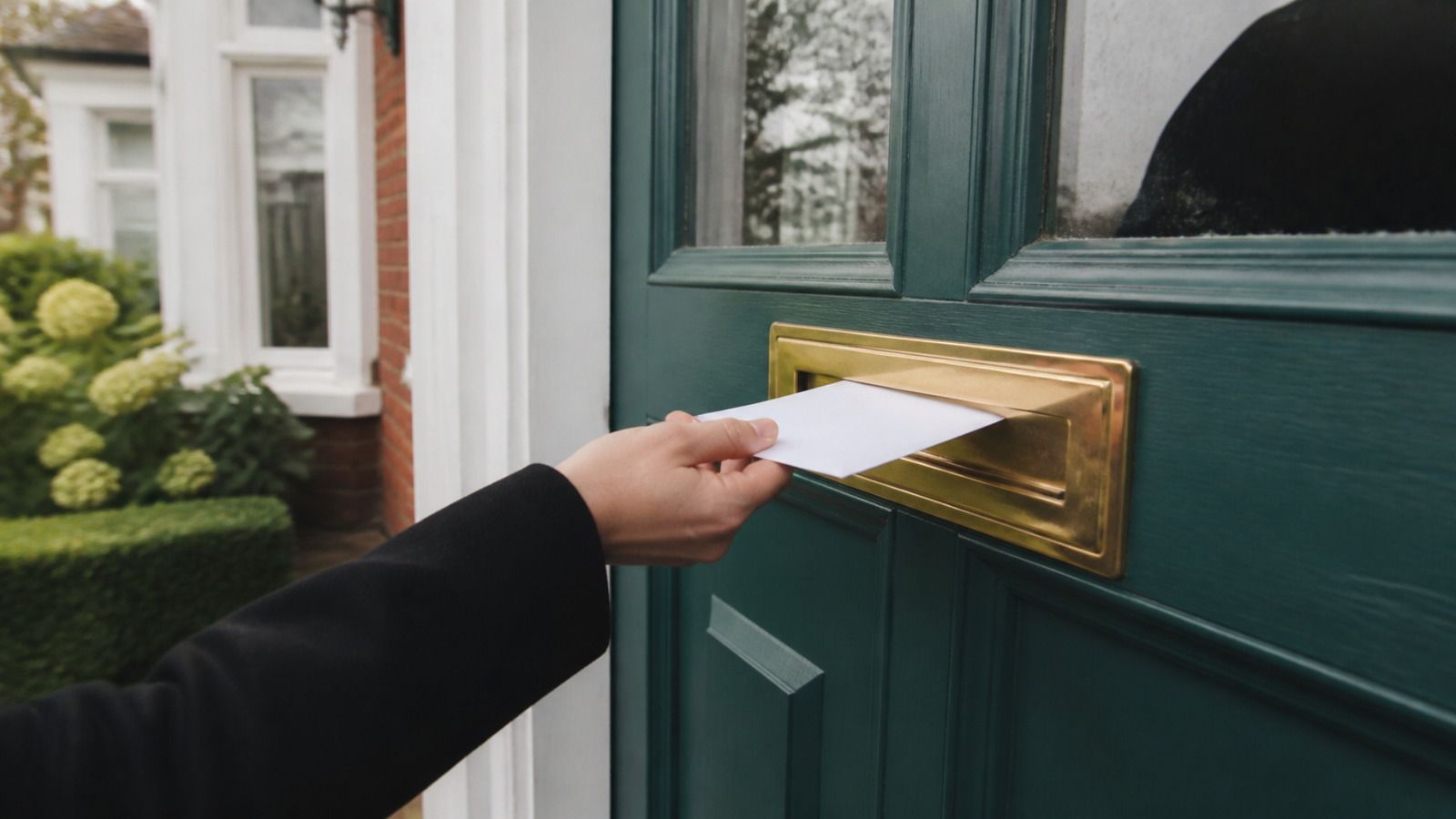
The channels that reach those people are older and quieter than the portals. In the first quarter of 2026, addressed direct mail stayed in UK homes for 7.8 days on average and was interacted with 4.5 times, according to JICMAIL, the industry's mail measurement body. A record 9.4% of mail items prompted a website visit in the same quarter.
So which marketing channels should an estate agent use, what is each one good at, and which rules apply to each?
It should win instructions. That sounds obvious, but most agency marketing spend goes on two different jobs that are easy to confuse.
The first is reaching people who are about to sell or let: a homeowner whose fixed rate ends next year, a landlord facing new compliance costs, the neighbour of a house you have just sold. The second is staying in front of people who already know you: past vendors, applicants who bought elsewhere, landlords you valued for but did not win.
The second group tells you when it is ready to move, if you are watching. Propalt's My Prospects flags when a past client's home is relisted or withdrawn, which turns a database of old vendors into a list of people with a reason to hear from you.
The concession worth making: brand marketing has a place, and a recognisable local agency converts letters and calls better than an unknown one. But brand awareness without a prospecting plan rarely fills a valuation diary on its own.
Each channel does one job well. The table sets out what each is best at and the main rule that governs it.
| Channel | Best at | Who it reaches | Main rule to know |
|---|---|---|---|
| Addressed direct mail | Reaching a named owner at a trigger moment | Anyone with an address, including people you have never met | UK GDPR applies to the list you build |
| Staying in touch with people who know you | Contacts who consented, or who qualify for the soft opt-in | PECR consent rules, with fines up to £17.5 million | |
| Social media | Local visibility and proof of results | Followers and paid local audiences | Material information rules for property posts |
| Portals | Reaching active buyers and tenants | People already searching | Material information rules for listings |
Yes, on the evidence available, with one caveat about what the evidence covers. JICMAIL's Q1 2026 data shows addressed mail lasting 7.8 days in the home against 5.6 days for door drops, with 4.5 interactions per item against 3.0. Its Response Rate Tracker puts return on investment for warm direct mail at £11.50.
Those are averages across every advertiser on the panel, not estate agents in particular. Treat them as a floor for attention, not a forecast of instructions. The practical point is narrower: a letter that names the owner's street and a recent local sale is read as information, which a portal alert never is.
Our guide to direct mail for estate agents covers campaign results, and the 20:20 campaign guide explains neighbour letters around every sale.
"The marketing that wins an instruction happens before the listing exists."
They do the second job: keeping you in front of people who already know your name. Social media shows the local market your results. Email keeps past clients and applicants informed between moves.
Both work through repetition. Our guide to the rule of seven explains why one message is rarely enough.
Both have rules that catch agents out. A social post advertising a specific property needs the same material information as a portal listing. A marketing email to an individual needs consent or must meet the soft opt-in conditions, and since the Data (Use and Access) Act 2025 the maximum fine for getting it wrong has risen from £500,000 to £17.5 million or 4% of global turnover. Our separate guides to social media for estate agents and email marketing for estate agents cover each in detail.
The pool of owners at a trigger moment is large. In Q3 2026, Propalt recorded 80,077 homes withdrawn without a sale agreed and 83,212 new Rightmove listings reduced below their first listed price, and homes took 69 days from first listing to sale agreed. Each of those is a reason to write.
Propalt's Audience Builder sends letters automatically at trigger moments such as withdrawals and reductions, and the 20:20 Campaign handles neighbour letters around each sale. Success Centre then matches your own new sale and rental listings against the letters you sent through Propalt, so you can see which instructions followed a letter. Each match is marked Exact or Broad and rated High, Medium or Low impact by how long before the listing the letter arrived, which lets you estimate cost per instruction by campaign.
Key takeaway. Marketing for estate agents works when each channel does its own job: direct mail to reach owners before they list, email and social media to stay in front of people who know you, and portals to sell what you have already won. Each comes with its own rules, from UK GDPR to PECR to material information. Propalt is built on the principle that instructions are won by agents who reach the right owner before anyone else does.
Sources and data references
Propalt data. Propalt (21 October 2026). Quarterly market statistics, Q3 2026 (July to September): homes withdrawn without a sale agreed, new Rightmove listings in the quarter reduced below their first listed price (counted per listing), and days from first listing to sale agreed.

UK direct mail response rate benchmarks from JICMAIL, how to calculate cost per valuation and cost per instruction, and what to track for direct mail ROI.
JICMAIL Q1 2026 data, current Royal Mail postage, targeting and the GDPR rules: what estate agent direct mail costs, and what makes it pay back.

Which likely to sell signals predict an instruction, what UK ownership data shows, and how to build a propensity to sell list that stays within UK GDPR.